Wednesday, July 1, 2009

Have I Really Been Here For Nine Months?

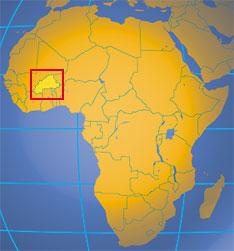
9 months. I cannot believe I have almost been in Burkina for 9 months. Time really does seem to fly by. Okay, well the first two months of training seemed to take eternity and a day but the rest of my service seems to have flown by. During these last couple of months a lot has happened. There were some problems with the infrastructure of my house so now I have moved houses to live on part of the chief’s compound. He recently constructed a compound (set off from the main family compound) for one of his six wives and her children. However, I guess the Nasarra’s needs trump the wife’s so I get to live in the house. There is another house that is part of the small compound that has not been completed yet. I am not sure if once they complete it, she will move in right away. I am kind of hoping that she will not because I really do enjoy my solitude and privacy. I am thinking that if the completion on the house(there is not much left to complete) in on West African International Time (WAIT), then that will not be an issue because they probably will not have finished the house before my departure next December. Hot season ended about a month ago. Thank God. And now it is rainy season. For the last month and next few months everyone works in the fields from sun up to sun down. The mast majority of the Burkinabes’ income for the entire year comes from cultivating the fields during rainy season. When I walk, families will usually stop me and try to get me to work with them. I pick up the axe looking sort of tool and will do it for a couple of minutes…everyone will laugh and smile and then tell me I can stop. I think they just get a kick out seeing the Nasarra (whitey) do their hard manual labor. One of the times, I convinced an older woman who had motioned me over to help to let me cultivate for a good 30 minutes. After minute five, she kept asking me if I was tired and told me I could stop. I told her I was fine and continued to work. However, after minute 5 is when I started to develop multiple blisters on my hands. I did not show her these until about 30 minutes later. We compared hands. Hers: hard, rough, and deeply calloused from a lifetime of working in the fields and mine: soft and smooth with newly formed blisters. After seeing my blisters she was like oh no, you have to stop working you cannot have a blister. That is unacceptable. I laughed and told her it was okay for me to have some blisters but she would not let me continue. The Burkinabe do not have machinery to cultivate. Everything is down by hand with little axe looking tools or else if you are “wealthy”, you could afford a plow and donkey. Think circa 1800’s and before. Working in the fields is quite difficult and it has given me a deeper understanding of the Burkinabe life and how difficult life is here. To take part in the cultivation is a very humbling experience. On a random note, I finally have made a good friend, Masse, and I will often ask to help her and her family cultivate. She humors me but every fifteen minutes she asks me if I am tired and tells me I can stop if I want to. I help her family cultivate peanuts and millet. Masse, 32, has four children ranging in ages from 3-14. Her family is very loving and giving. I eat dinner with them several times a week. Her family is well off so I eat pretty well when I go over. The mass majority of family in my village can only afford to eat to (pronounced toe-millet dish that tastes like cream of wheat + sauce); however, her family makes spaghetti, rice, and to and often times with pieces of meat). When she feeds me she will always give me the biggest/most pieces of meat/fish and a big heaping plate full of spaghetti/rice etc. Afterwards, she will follow this up with giving me a plate of to. Normally, Burkinabe only have only to. I will eat some but do not even put in a dent in the meal as she gives me so much. She always tells me that I don’t eat but then I follow up that with that she gives me literally two meals (spaghetti + to) and way too much of each. I always am tempted to try to explain to her that I have a love hate relationship with carbohydrates: yummy to eat but not so great for the hips and thighs. They are like my frienemies (Burkinabe live on a carb diet as they eat to for breakfast, lunch, and dinner). While I love Masse and her kids, I tend to try to stay away from the husband. I do not see much of him anyway as he works in Zabre, a neighboring village, and will often come home after I have left. It is not that I do not like the man; he is very nice and a great conversationalist but he is always hitting on me. When I see him at the market or even in front of Masse, he is trying to get me to go out dancing with him or to have me cook for him. I will normally respond and tell him that he can go out dancing with Masse, his WIFE, while I look after his children or that instead of just me and him eating, his whole family can come over and I will cook for everyone. He will usually respond no and tell me he just wants it to be the two of us. I tell him he already has a wife, my good FRIEND, and my answer is no. Sulu, the husband, tells me: “I am Muslim and I am African; I can have 3 or 4 wives (and in some instance 8 wives—the chief of a neighboring village has 8 wives and 63 children—and no, that is not a typo: I said 63 children). Hence, I try to stay away from him. Work wise, I have done a couple of projects but since it is rainy season and everyone is working in the fields it is hard to get a lot of things done. However, I have conducted malaria focus groups with each quartier (neighborhood) of my village and helped with a pre-natal consultation sensibilization campaign in the neighboring satellite villages. I also started a women’s soap making group and where we make two kinds of soap: the hard kind and the liquid kind. They then can sell it in the market or around the village and make a small profit. I have also started an English club where I tutor kids; I really like this because when I pass them on the road or in the market they will try to use the new phrases they just learned on me or else teach it to the parents. The school year is over now but before it ended I started teaching health classes. This last week I spent the week with my friend in a neighboring village helping her with her girls’ camp. This next week I am putting on one of my own so she is going to help with mine. The topics discussed will center on reproductive health i.e. sex, puberty, contraception, excision, AIDS, family planning, and other topics life self esteem and communication skills. I am pretty excited for it to start. I even have boys coming up to me asking when the camp is starting and I usually respond: “you do know the camp is just for girls, right?” I think next year I will do one with boys and one week with girls. Talking about reproductive is always interesting because neither the parents, nor do the teachers, discuss sexuality/reproductive health with their children/students so often times they have no idea what sex is. And I can always be assured that the girls will giggle and laugh when we explain what exactly happens during sex. Last year, Laura my neighbor put on a camp, and asked the girls what caused AIDS and one girl raised her hand and said unprotected sex. Laura was like, “Great! That is correct. Let us continue” Another girl then raises her hand and asks what sex is. Laura then asked the class if anyone knew what sex was, and no one did. Kind of scary because the age range of these girls was between the ages of 11 and 16. Well I have rambled on long enough. Until next time!

A Little Thing Called WAIT

West African International Time (WAIT). Oohhhh, the infamous acronym that every volunteer in Burkina knows about, relates to, and most of the time hates. Ironically, the letters spell out something we do a lot of—this would be waiting. A LOT. This includes waiting for meetings to start, waiting for people to show up that never actually do, etc. The previous volunteer at my site taught my unofficial counterpart (he knows a small bit of English) and ever since him and I joke about this idea because this acronym pretty much defines my life, and every other volunteers, in Burkina. Often times when Ganga is informing me of a meeting that is to take place the following day at the CSPS (local clinic) or the time that he will be by my house the next morning, I will have to ask him: “now are we on WAIT or are we on American time?” He chuckles and responds with one or the other. Now, if he says WAIT, I can expect the meeting or his arrival to start anywhere between 2 hours to 4 hours late. Sometimes, he just doesn’t show up at all. If he says American time, he knows I want him to arrive on time but what ends up usually happening is that he will show up anywhere between 45 minutes to 2 hours late. One time I was leaving my house with Ganga to go have a meeting with the chief of the village and I told my host dad I would be back right away. Ganga then told me I probably should not have said that because the chief was a big talker and could keep you there for what seems like forever. Upon hearing this, I told Ganga: “Ganga, this is Burkina. Right away can mean 3 hours.” He laughs and then nods his head in accordance and tells me I am quite right. Ganga, a couple other health agents, and myself attended an AIDS conference in Koupela back in February. The conference was supposed to have started at 8:30 and at 8:32 Ganga points to his watch and informs me that we haven’t started on time and ask how much longer we would have to wait. While we may laugh about this a lot of the time, when one’s life is defined by this concept, it may become aggravating at times especially when Ganga will say he will be at my house to go start a sensibilization at 7 o’clock and 10/11 o’clock will roll around and he still is not there. So I wait, and I wait, and oh yeah, I happen to wait some more. It sometimes is frustrating because you don’t want to just sit in your house all days if you have other things to do. Sometimes I just say, ^%$@ it, I’ll just leave my house and do what I want to do and he can come find mean. I mean my village is small and lets be honest here it’s not that difficult to find the Nasarra (me, the whitey). Everyone knows what I am doing and where I am. When I first arrived to site, the only piece of furniture I had in my house was my lipico (a loose term for the word bed). It took a full three months to get my two counterparts to talk to and have the carpenter make the rest of my furniture. With this said, while meetings/projects are scheduled for one week and don’t end up actually happening until two months later, they do get done…eventually. When there are times I get frustrated and question how I can be an effective volunteer here when it may seem like there is no motivation from the community/they don’t care about getting things done, I simply just tell myself the project will get done, just not always on my time. When it comes to meetings at the CSPS, I usually will arrive at least an hour late, still be the first one there by at least a good 30-45 minutes. During this time, I usually will bring a good book with me to read and sometimes I will lie out on the concrete benches in the waiting room and take a nap. I am not really sure why the Burkinabe cannot show up on time; it’s not like they are stuck in traffic. The only things going down the dirt road are a few donkey carts and a few bicyclists. Patience and Flexibility: the two concepts the Peace Corps told us we would need to learn to have and embrace to be an effective volunteer here. I know these well.

Thursday, April 30, 2009

What Do You Do When It Is 110* Outside? You Walk 92 Km, Of Course.

So, it’s hot outside. And what do you do when it’s hot outside. No, not just hot. Hot season hot. You walk 92 km, of course. My friend, Josh, and I, did not want to attend the Hard Core party. This is a party that happens in the northern most part of the country to celebrate all the volunteers up there having to go through hot season. The party site is in the Sahel which is probably one of the hottest places on earth, as temperatures up there are easily 130* during hot season. There was also a Soft Core party all the way in the very, very south. This is for all the volunteers in the South, and pretty much anyone else who wants to come, who have the easy life during hot season, where it is only about 110*. Josh and I did not want to travel all that way. So we decided, “Hey, let’s just try to die instead.” We mapped out this elaborate trek where we would start in my village and go all the way up north (almost to Ouaga). About 200 km in total/ 40 km a day. We made it about 92 km in two days, and on the morning of the third day, he quit and hailed a bush taxi home. He quitting is understandable because he wore Chakos, which wasn’t the best idea for the trek, but I commend him for making it as far as he did. I did not want to finish out the walk out by myself/ I did not think it would be safe for me to do so. So, I stopped walking as well, and just came to the capital. However, am I upset that I did not get to finish the trek? No. A bit disappointed but then I realize in life, it is not always about the destination, it’s more about the journey to get there. We had fun though. The first day of walking was mostly en brousse so we really had no idea how long it was to get to Bagre (a large village that would be our first night’s stop). Once would get to Bagre we would pitch a tent and camp out for the night. Not only did we not know the distance, but either did any of the locals. After walking about 10 km, we decided to ask a local how far it was to Bagre. We new it was about 30-40 km. The local tells us. Oh, it is 15 km. 15 km?!? We say Bagre slowly and then spell it out and we repeat that Bagre is 15 km away. The local shakes his head, and is like, “yeeeess, of course I know Bagre. It is 15 km away.” We thank him and walk up a bit further and ask the next person. This person tells up 12 km, next person 4 km, and next person 50 km. It seemed like the closer we got to Bagre the number of km that the locals told us just seemed to go up (and asked we asked like a million locals.). Along the way, little kids would love to come up and shake our hands (sometimes in throngs), would then proceed to follow up for a good distance, and ask us why we were making this trek. It was somewhat Forrest Gumpish. We had like an entourage of little children. The adults, on the other hands, were just mystified and confused why we were walking 200 km. I think for some villages that were all the way out en brousse, they may have also never seen a white person before. Along the way, we ran across the Burkinabe marathon record holder who was training for the upcoming marathon in Ouaga. He invited us over for breakfast and to meet his family and also gave us tips for our trek. He was extremely nice. Turns out he was originally from Zabre which is my neighboring district capital. Small world.

Wednesday, April 29, 2009

Current Status: Dying

So…hot season has begun. As I read the needle of my little Swiss army knife’s thermometer, I realize I don’t particularly like hot season (the maximum temperature for the thermometer is 120* and the needle has passed that mark). While I have adjusted considerably well to the hot temperatures of Burkina, some days it is almost unbearable. The heat would not be so bad if their was relief from it, but there isn’t. Although the majore lets me put water bottles in the vaccination freezer, so that is pretty cool. The silver lining of hot season is that it is also mangoooooo seasooonnn! and avvvoccaddoo seasoooonn! I think those are God’s gifts to Peace Corps volunteers who have to go through hot season in Burkina. I eat huge mangoes like there is no tomorrow. I have come to think of myself as a mango snob because I won’t even eat the small to medium sized mangoes; only the big ones will suffice. The smaller the mango, the more fibrous it is. On a random tangent, this is perfect meal. I have made it for every lunch and dinner for the last three weeks: benga (beans), with a piment salsa, green peppers, tomatoes, onions, avocados, and sometimes corn. Followed up by a big mango. If I close my eyes, it reminds me of Chipotle burrito salad minus about half the ingredients, but so good, nonetheless. Although, I can only have the avocados on the Zabre market days because since it is so hot, the food spoils if I try to save it for the next day. All the other vegetables I can get to last at least until the next day. Anything cooked goes bad after a couple of hours. So there is the heat factor to deal with as well as the constant sweating. When I first arrived in Burkina, it seemed so un-Godly hot, but now, those temperatures were not so bad. I don’t really sweat, I just glisten. However, for the first couple of times that I sat down and later get, up my pants or skirt from my butt all the way to my knees would be soaked. I was like wtf? Did I sit a puddle of water? How did I not notice and why do I keep on doing it? Come to find out, it was not a puddle of water…Older volunteers have told me in previous hot seasons they would be popping Benedryl like M&M’s just so they could fall asleep at night. Even though it’s hot, the season so far has been milder than previous ones. The erratic and short mango rains during the night make sleeping more bearable. There have even been a couple of times where I had to put a towel over me and wear my Santa Clause Christmas socks that my parents sent me. It is too hot to sleep inside my house, so I sleep outside.

The Fruits Of My Labor

So here are some highlights from my Etude de Milieu. My Etude ending up being about 20 pages in total but I thought I would bring in the general highlights and leave out all of the charts/graphs/stats. I would like to thank my unofficial counterpart Ganga for the completion of my Etude. It would never have been possible without his help and guidance. Even though he is a dolo(local beer) drinking, chain smoking, somewhat sketchy guy (in a creepy uncle kind of way). He is absolutely amazing; if I need anything set up e.g. a meeting, traveling 9 km with me to a district capital in 120* weather, conducting meetings/surveys, he is always more than willing to help. And he never asks for anything in return. A major part of my etude was conducting door to door surveys with 75 family compounds (30-40 minutes with each family). Those were a long couple weeks. Especially, when you are biking between 5-8 hours a day visiting families and your filtered water runs out. You cannot drink the water that the families offer you because its well water. Ganga likes to remind me of this as he takes a big swig of what seems like delicious water at the time. Enjoy the rest the Etude!


General Information

XXXXXX has a population of 6165 inhabitants; the village is separated by eight quartiers (Chirikou (1&2), Gnitara (1&2), Barigou, Koma, Fourbè, Onobisa, Chenga Bissa, Zoaga Gnitara, Widi, and Dirè). The principle ethnicity in Beka is Bissa with a small amount of Mossi as well. All of the Puehls in the region are located in one of Beka’s satellite villages. Christianity, Animism, and Islam are practiced in Beka. Animists are the most numerous, followed by the Catholics and Protestants, and a few Muslims. In Beka there is one Protestant church, one Catholic Church, and one mosque.

The community of XXXXXX is found the Sub-Saharan climate. In the last fifteen years, the average rainfall per year is around 927 mm, with about fifty days of rain on average. The region is characterized by a dry season that extends from October to May and a more humid/rainy season from June to September. There is little vegetation in the region, and deforestation is a mounting problem with the overgrazing of animals and bush-fires.


Economy

Agriculture is the principle activity of the Bissa, and therefore the vast majority of XXXXX. The principle crops are sorghum, millet, rice, maize, and peanuts; the secondary crops are beans and vegetables (African eggplant, eggplant, onions, tomatoes, green peppers, cucumbers). Because of a reliance on the rainy season for water, and production constraints due to a lack of machine, the majority of farming is for subsistence. A lack of fertilizer coupled with unreliable rainfall leaves the soil dry, nutrient depleted, and therefore, uncultivable. Hence, the quality and quantity of the crops is sub optimal. Furthermore, there are no artificial methods of irrigation used. Farmers also engage in market gardening between each rainy season. Because there is a lack of rain in between rainy seasons, farmers use the water from the barrage to irrigate the market gardens.

Animal husbandry is the primary economic activity of the Peuhl and a secondary activity of the Bissa. During the dry season, the Peuhls migrate to Ghana and the Ivory Coast while the Bissa remain in XXXXX and do market gardening. Livestock includes goats, sheep, chickens, pintards, cows, and pigs are raised. The majority, if not all of the farmers, do not have the means via money or transportation to vaccinate the animals against potential diseases. For this reason, the animal mortality rate of XXXXX is extremely high, with an average rate of 65% per herder. Difficulty accessing water sources, poor land quality, and the abundance of sachets in the fields, leaves the animals even more vulnerable to mortality. As a result, animal husbandry as a means of income generation is highly unreliable.

Micro-enterprise constitutes a secondary means of income that is practiced year round. There are sixteen boutiques, thirteen buvettes, seven tailors, and seven mechanics in XXXXX. The market is every three days, and one day after the Zabrè market, which is also every three days. Due to the proximity of its satellite villages, many vendors from XXXXX travel to other markets and vice versa. On non-market days, there are a number of women who sell items daily such as African eggplant, benga, peanuts, peanut rings, rice, gateaux, oranges, and porridge. Unfortunately, while the market has many items it also allows for illegal vending of street medicine which has caused the problem of self-diagnosing and self-medicating. At present, the market has no latrines.
Prostitution is also practiced in XXXXX and neighboring Zabrè. Because many girls lack an education, and ultimately a means to income generation, they engage in prostitution near the barrage and the gold mines in Youga.


Education

There is a primary school located in the central quartier of XXXXX. The majority of the children come from XXXXX, Fourbè, and Yorko. There are four classes: 1) CP1/CP2, 2) CE1/CE2, CM1, and CM2. The ratio of student to teacher is 87:1. Currently, there are 156 girls and 190 boys enrolled at the school. Only about 20% of children are enrolled in school and all others are not enrolled for various reasons. For example, many families cannot afford to send their children to school while some children are forced to help their families in the fields and/or are consistently sick. Furthermore, even if parents had the means to send their children to school, enrolling it is not feasible due to overcrowding. For those students who are fortunate enough to continue their studies, there is a lycèe located in Zabrè. There is a terminal is located in Manga which is 90 kilometers north of Zabré. Because of a lack of money, lodging, and transportation, acquiring an education past the lycèe level is not a very likely option for students in the region. Currently, only two students in the XXXXX region attend university in Ouaga. School lunches are no longer provided by Catholic Relief Services (CRS). CRS stopped providing lunches in the fall of 2008 to respond to the worsening food crises and to promote sustainability by encouraging local farmers to sell their crops. Many students go without lunch since one is not provided for them at school. The director of the school states that collecting money from the parents is not a viable option due to the level of poverty within XXXXX. At present, the school does not have a library.
Apart from the primary school, there is also a Koranic school for those of the Islamic faith. Additionally, there is one Bantarè school. The school, which teaches Bissa alphabetization, is located in the central quartier next to the Koranic school and market. Presently, sixteen women and one man are enrolled.


Maternity

The midwife arrived in March of 2007. Baby weighings and vaccinations are every Monday, Tuesday, and Wednesday. Prenatal consultations are every Thursday and Friday. While the maternity offers the most basic of services, it does not go beyond that which puts the women of XXXXX, and its surrounding villages, at a huge disservice. The hours for baby weighings/vaccinations and for new and follow up prenatal consultations are not respected. Patients arrive and usually seek personnel at their homes or simply wait for long periods of time. On more than a few occasions, the AIS will show up three hours late and sometimes not at all. Many of the women become frustrated and are forced to return home without having their baby weighed; this discourages maternity utilization, especially for those who live far away. For those times that the AIS does show up, baby weighings are not properly conducted. For example, clothes are not removed when a child is weighed. While the AIS identifies to me those children who are malnourished, he does not notify the mother. The AIS does not speak Bissa; therefore, an accurate and thorough consultation cannot be done. However, even if the AIS did speak Bissa, there does not seem to be a motivation to sensibilize the women, let alone inform them on their child’s condition. Needless to say, nutrition consultations are not performed. While the maternity has a lot going against it, attendance for baby weighings, vaccinations, and prenatal consultations is good for the villages of XXXXX, Yorko, and Fourbè. However, because of the distance between all other satellite villages and XXXXX, attendance is low for those villages. There is a lot of room for improvement.


Aire Sanitaire

There are fifteen aire sanitaires in the district of Zabrè with fourteen CSPS; there is one hospital (Centre Medical Avec Antenne Chirgie-CMA). Additionally, there is a HIV/AIDS testing center in Zabrè at the CMA. The test costs 500 FCFA. There is not a CREN in the district; the closest one is over 80 km north in Manga.
a. The priority problems to be addressed in 2009 are the following:
i. Low rate of preventative services
ii. Insufficient medical personnel
iii. At home deliveries
iv. Lack of education on health issues
v. Persistence of malaria
vi. Increased prevalence of HIV/AIDS and STI’s
vii. Increased prevalence of respiratory infections
viii. Strong prevalence of diarrhea and malnutrition

The priority problems that the CSPS would like to address during 2009 are the following:

Elevated morbidity and morality rates due to malaria
Elevated morbidity and morality rates due to diarhea
Lack of energy source
Low rate of community participation
Low rate of preventative services


Observations
Malnutrition

Malnutrition is a major problem in XXXXX. The majority, if not all of the villagers, recognize, when asked, that malnutrition is a problem but do not identify it as a pressing malady in the community. Villagers, for the most part, know which foods are good for them i.e. fish, rice, tomatoes; however, they state that they do not have the financial means to incorporate nutritious foods into their diet. Instead, most just accept that because they cannot afford to buy food besides millet for tô and okra and greens for the sauce, their children will remain malnourished. There is a misconception that crude food causes malaria; hence, many women overcook the sauces, thus killing any nutrients that they greens have. Sensibilizations are needed to teach the women on proper cooking techniques to retain the nutrients within the food. Infertile land, coupled with a lack of machinery and unreliable rainfall, make for an undependable source of food or income generation. Therefore, farmers can only engage in subsistence farming. This, along with high animal mortality rates, intensifies the ongoing issue of malnutrition.

Malaria

Malaria is very prevalent in the XXXXX region. Currently, an adequate number of the villagers know that mosquitoes cause malaria. However, a larger number of villagers believe malaria is caused by other factors such as too much sun exposure and the consumption of watermelon, Maggi, and crude foods. Malaria is easily preventable, but because villagers lack the financial means to fight malaria by investing in screen doors, mosquito nets, and the later re-treatment of the mosquito nets, they are left vulnerable to the endemic. As a result, malaria contributes to poverty by promoting school/work absenteeism as some are forced to either a) drop of out school or b) be unable to work in the fields. In conducting the community survey, it appears as if most families own at least one mosquito net, but they only use the nets during rainy season or not at all because the nets are quite hot. The mosquitoes bite around dawn and dusk which coincide with the times that the women and children obtain the water from the well. Thus, women and children are the most susceptible to malaria. In addition, all of the wells are uncovered which in effect encourages mosquito breeding. With this said, while malaria is prevalent in my region, in my opinion, malaria is misdiagnosed and over diagnosed. If a patient exhibits any combination of these symptoms—headaches, fatigue, vomiting, fever, etc, ---it is assumed he/she has malaria without any further testing. To confirm the presence of malaria, a blood test is needed. However, without the financial means to pay for such a test and also the speed of conducting the test/waiting to hear the results discourages utilization of such a test. Hence, the Majore prescribes malaria medication to patients without verification. This can only lead to more drug resistant malaria strains. Lastly, the money spent on unnecessary medications (depending on whether or not the patient has malaria), prevents villagers for paying for future medications when they are actually really sick.

Out of pocket payments

Most villagers cannot afford to go the CSPS. For this reason, many times families recognize that a family member is sick but do not seek out medical attention. In some instances, families wait too long too seek medical attention. As a result, the medical bills are exponentially higher and in some cases the family member may die. While health insurance seems like a good idea in theory, health insurance is still relatively expensive at 2,500 fcfa per person, especially when villagers do not engage in family planning. Because most families cannot afford to go to the CSPS every time a family member is sick, they seek out medical attention from a traditional healer or self diagnose and self-medicate with medicines found in the village market. Needless to say, neither method is very effective. Out of pocket payments could be more feasible if villagers practiced saving and/or making distinctions between buying luxury goods versus necessities. While dolo drinking is not a major problem in XXXXX, villagers do not think about forgoing or cutting back on dolo drinking in order to save money. This practice could be extended to buying gateau, peanuts, etc. In addition, sensibilizations are needed to educate fathers about the importance of investing in their families’ health, and subsequently their future. For example, most villagers do not think in terms about the importance of investing in soap. If each family invests in a bar of soap, which costs around150 fcfa, they can prevent diarrhea, for example. In the long run, by practicing good hygiene and remaining healthy, fathers will not have to pay for large CSPS bills which may cost upwards of 2,000-4,000 fcfa.

Potable water

Water is and will remain a huge problem in the region until potable water is not only available but accessible to the entire population. There are two pumps in XXXXX—one located at the CSPS and on located near the market. However, the pump near the market has been locked up and therefore not available for usage. There are five wells and one barrage that are dirty but used frequently for drinking, bathing, and washing clothes. Moreover, the wells remain uncovered which allows for rain and wind to bring in dust, nitrates, or fecal matter. Hence, these uncovered wells leave the population not only susceptible to malaria, but cholera, and diarrhea as well. Almost all of the villagers recognize that pump water is more sanitary than well water or the water from the barrage; however, without access to potable water, they are forced to use unsanitary water. If one were to get walk to the nearest pump, it could be anywhere between 45 minutes to a few hours. On a positive note, a Canadian Non Governmental Organization (NGO) called Tin Tua, which is based in Fada, is going to start construction on four pumps. It will cost the villagers a small fee each time they get water from the pump. But to pay such a fee is relatively feasible. In addition, a water tower was built in the last few years, but with only one working pump, the water tower is ineffective to bringing potable water to the entire community.

Sanitation

Village sanitation needs to be addressed on a grand scale. The lack of waste management and promotion of hygienic practices puts XXXXX at a huge disservice. Less than one percent of the population has access to latrines. A good number of people state that latrines are important in the prevention of maladies but all state that they do not have the means to afford one. On the other hand, even if latrines are present i.e. behind the CSPS, villagers do not use them, as they prefer to defecate in the fields. Without latrines and their usage, fecal matter is everywhere in the village and fields. This contributes to, and exacerbates the problems of diarrhea and other maladies, as most maladies are spread by fecal-oral transmission. Trash cans are non-existent and the village is littered with garbage including black sachets, which contribute to the high animal mortality rate. Villagers do not feel that waste management and sanitation promotion are an issue, as they do not relate waste management/sanitation to malady prevention.


Methodology

This Etude de Milieu for XXXXX was compiled during the months of December 2008 to March 2009. There were a multitude of individuals and organizations that aided in its completion. They include the following: CSPS staff, COGES, NGOs, the mayor, the MCD, the prefecture, the gendarmerie, the director of the primary school, the Agents de Sate Communitaire, the chief, and of course the villagers. I also toured the CSPS, the district hospital, reviewed the micro-plan for XXXXX, and the five year plan for the Zabré region. Every Monday, Tuesday, and Wednesday I participated in baby weighings/vaccinations at the maternity. I would also sit it on consultations regarding malaria, leprosy, intestinal parasites etc. At the beginning on each month I attended CoGes meetings and with the help of the CoGes, we carried out two 4 day door-to-door polio vaccination campaigns, one 5 day tetanus campaign, and a nine day elephantitis campaign. In addition to the vaccination campaigns, I conducted a door-to-door survey in the air sanitaire of XXXXX, meeting with 75 family compounds, and talking with each family for about 30 minutes to discuss their health needs and general knowledge of health issues.

My Role

Because of the serious, multifaceted problems that face my village, I would like my role within the community to be interrelated between the health and small enterprise development sectors. Remoteness, poverty, maladies, lack of an education, infertile land, high animal mortality rates, and insecure jobs are just some of the many underlying issues that create the current dire health and economic state of XXXXX. Hence, it is my hope that by focusing on these underlying issues, I will be able to assist XXXXX in living not only a more healthy and positive life, but a more prosperous and sustainable one as well. Based on information collected in my Etude, I have made a list of primary and secondary goals for my next two years in XXXXX.

Primary objectives:
• AIDS sensibilizations
o SIDA STOP Bike-a-thon, Mobile Depistage,
• Sensibilize the community on the importance of taking preventative measures, performing good hygienic practices,
• Conduct a malaria workshop
• Lead a girls summer camp
• Conduct a hearth model
• Moringa and bouille demonstrations
• Sensibilizations on family planning and contraceptives

Secondary objectives:
• Sante Avant Tout activities in Primary Schools
• Foyer ameliorer and soap making projects with different women’s groups
• Start a savings and credit club
• Plant a school garden with profits going to fund lunch programs and the future enrollment of students
• Create a compost and lead sensibilization on the importance of composting


Community Survey
1. What is the name of the Chef of the family?
2. What is your ethnicity?
3. What is your religion?
4. What do you do for a living?(merchant, farmer, herder)
i. What are the obstacles of being a merchant, farmer, etc?
1. How is the quality of the land, crops?
2. What is the animal mortality rate?
a. Why do you think there is such a high mortality rate?
ii. Between each rainy season what does your family do to earn money?
5. What is your water source (well, pump, barrage)?
i. How do get water during the hot season?
ii. How long do you have to walk to get to your water source?
iii. How do you store your water when you are not using it?
iv. Is there a difference between water from a pump and water from a well?
1. If there is a difference, what is the difference?
a. (If respondent answers pump water is better for one’s health than well water) Knowing that pump water is better for the health of your family, why do you go to a well?
6. Do you own a latrine?
i. Why does a person use a latrine?
ii. (If respondent answers latrines help prevent illnesses) If you know latrines help prevent illnesses, and you do not have the means to own one, how do you prevent germs/illnesses from entering your household?
1. (If person responds going to the bathroom far from the house as a means to prevent germs from entering the household) If you defecate far from your family compound to prevent germ transmission, how do you avoid illnesses from animals who defecate in your courtyards and/or fields?
7. Do you wash your hands?
i. When do you wash your hands?
ii. What do you wash your hands with?
1. Is there a difference between washing one’s hands with water only and washing one’s hands with soap?
iii. Why do you wash your hands?
iv. If a person eats without washing their hands’ first, does anything happen?
8. Do you practice family planning?
i. If yes, why?
1. What type of birth control (pill, shot, patch)?
ii. If no, why not?
1. (If person responds family planning is too expensive) Do you know how much birth control costs?
9. What sort of health issues do you talk about with your children?
10. When was the last time you went to the CSPS or the maternity?
i. For what reason did you go?
ii. What was the diagnosis and the advice/recommendation of the Majore?
11. If you do not have the means to go to the CSPS or buy medicine, what would you do?
i. How often do you visit a traditional healer?
1. Does his/her advice work? How much does a traditional healer costs relative to the CSPS?
12. What are the most reoccurring illnesses in XXXXX?
i. What are the most pressing illnesses in XXXXX?
13. Since the last rainy season, what sort of illnesses has your family experienced?
i. What did you do?
ii. If you did go the CSPS, what was the advice of the Majore?
14. In your opinion, why do children and adults become sick in XXXXX?
i. In your opinion, why do children and adults die in XXXXX?
ii. In your opinion, why is there a great prevalence of malaria in XXXXX?
1. How does one acquire malaria?
a. (If respondent states malaria is caused my eating certain foods and has had a family member diagnosed with malaria)If you know watermelon or Maggi causes malaria and your family avoids cooking with it/eating it, how do you explain your family member being diagnosed with malaria?
2. How can one avoid getting malaria?
3. Do you own a mosquito net? If so, how many? Do you use the mosquito nets year-round or just during the rainy season?
a. Why does a person use a mosquito net?
b. What would happen if a person does not use a mosquito net?
iii. In your opinion, why is there a great prevalence of malnutrition in XXXXX?
1. What sorts of foods does your family eat on a regular basis?
2. What sorts of foods are good/nutritious to eat?
a. If these foods are good/nutritious for your family, why do you not eat them?
15. During your pregnancy did your diet change?
i. If so, how did it change?
ii. What sort of foods did you eat?
16. Do you believe anyone in the Zabre region has AIDS?
i. What do you think of a person who has AIDS?
ii. Is a person with AIDS in Burkina stigmatized?
1. (If the person replies there is no stigmatization) In your opinion, why is there stigmatization of AIDS in other countries but not Burkina?
iii. What are the modes of transmission for AIDS?

My Monthly Pilgrimage to Ouaga, My Mecca

I try to come into the capital at least once a month. Besides Ouaga being my Mecca, I have to come for reasons of maintaining my sanity. In early March, I attended FESPACO, which is the biggest film festival in Africa. That was really fun as I got too see a lot of great Indy movies/documentaries and the like. The last time I was here, I attended a soccer match between Burkina and Guinea. Each team was vying for a spot to make it to the Africa Cup. From there those qualifying teams from the Africa Cup will then go on to the World Cup in South Africa in 2010. Soccer is huge here. At the last game I attended, I was almost stampeded. That’s right. Stampeded. Like a bunch of PC volunteers running towards the Fanchoco cart (Burkina’s version of America’s ice cream truck) in a 120* heat, a group of grown men ran me over. And it wasn't even when the match was going on! It was half time! I was getting up to leave to go find something to eat with my friends outside of the main arena. As we were almost to the gate, they open the gates, and all hell breaks loose. Men were pushing and shoving to catch a glimpse of the game that was not even playing….. Logic? People were shoving to get in the gate as other people were shoving to get out. I lost my friends in the throng and I was going down the stairs when a guy pushes me down. Do any of the other men offer to help? Nope, they either choose to step on me or around me. Mostly the latter. I ask you this: where is the chivalry??? I finally manage to get up when I get pushed down two more times. At this point I am almost in tears and I manage to get up and push the man in front of me and say, "STEP BACK!" Granted this guy had no idea what I was saying, but it brought me some consolation. Even though there were guards/policemen? at the gate they had no control over the situation. Beating Guinea 4-2, Burkina will be playing Cote d'Ivoire June 19th for advancement to the Africa Cup. Burkinabe love their soccer but Cote d'Ivoirians (is that even a word? well, it is now) are absolutely nuts about soccer. This game is like the best thing to happen to Burkina since its independence in 61’. Especially since Burkina is awful at soccer but has somehow managed to make it far enough to play Cote d’Ivoire. At the last Cote d’Ivoire game last month, 19 people died and 100 were injured in a stampede. I have heard that the arena holds 33,000 people, but yet, 50,000 want tickets—most people but tickets the day of…at the arena. Now you would think I would learn from the Burkina game and not attend the next match. But nope, I don't have enough sense for that. I will be in my Burkina gear and waving the flag.

Upcoming Projects...Yayyy..I Am Finally Useful

Malnutrition is a huge issue in Burkina as it is very prevalent. There are many causes of malnutrition. They include the following: 1)low birth weight(malnourished mothers) 2)Inadequate breastfeeding during the first six months of life (e.g. introduction of complementary food or drink before six months), 3)Children are weaned from the breast milk too early (e.g. ahead of the recommended 2 years--another pregnancy), 4)Unbalanced diet (the child does not get a variety of foods (construction, energy, and protection, 5)Insufficient food intake, 6)Micronutrient deficiency, 7)Diarrhea and childhood diseases (Often times a child will lose his/her appetite due to illness. That, coupled with diarrhea, exacerbates malnutrition).

In a few days, upon returning back to village I will be starting a hearth model with a group of women from one of my village quartiers (neighborhoods). The Hearth Model is a way to combat malnutrition at the community level. The Heath Model was introduced in the 1980’s in Haiti and has since been replicated in countries such as Vietnam, Guinea, Mali, Tanzania, etc. The model posits that despite poverty, there are local practices, knowledge, and resources that can be exploited to promote positive health practices. If adopted, even mothers in the poorest of communities are still able to raise healthy, well-nourished children. In practice, the Model brings together six to ten mothers of malnourished children over a two week period to practice and learn healthy nutrition behaviors. The Hearth Model has three main objectives: 1) to rehabilitate malnourished children, 2) to educate women on basic health issues, 3) to demonstrate that raising well nourished and healthy children is possible even with limited means. The Hearth Model is a project that does not require a lot of funding. An effective project simply requires community participation and cotising money or sharing the locally available materials. There is no medicine to cure malnutrition; only a nourishing diet and protection against diarrhea can alleviate malnutrition. However, prior to the beginning of the project, vitamin A and guinea worm will be administered. The Hearth requires 12 days of participation for approximately two hours each morning. The mother will come with her child and assist in the making of four enriched porridges that the group of mothers has chosen to make. There are several different recipes that they women can chose from(12 in all); recipe selection depends on the time of the year and locally available projects. In addition to preparing the porridge, each mother will learn about different health topics. Instead of choosing twelve health topics, I have chosen six to focus on in the first week; the second week will be review of the first week. The six topics I have chosen are the following: 1) Overview of the Hearth and basics of growth monitoring and baby weighing, 2) Early childhood nutrition and signs and causes of malnutrition, 3) Proper weaning, 4) Treating water, food preparation, and personal hygiene, 5) Diarrhea and Oral Re-hydration Salts (ORS), and 6) Malaria and its prevention. Each morning the child will eat the porridge and then bring enough home to last the rest of the day. The porridge is not meant as a replacement to the breast milk and other complementary foods, but as an addition to them. The child will be weighed on the first and last day of the Hearth. Weight gain is not always immediate or guaranteed as it takes time for a child’s appetite to increase or if it takes some time for the child to like the recipe. Prior to the commencement of the Hearth, it is recommended to find a Mama Lumiere (a woman who is highly respected in her quartier, who has healthy children and practices good healthy behaviors) to help lead the Hearth. Ideally, she is of the same ethnic and socio-economic group as all the other women in the group. After finding a Mama Lumiere and getting her agreed participation, she will then find interested mothers and then give me their child’s heath cards. I will then review the cards and pick out those children who fit the criteria for the Hearth. For this Hearth, I initially rejected about 2/3 of the children, and chose eight children. They were either too young or did not fit the weight requirement. I felt really bad doing this. Children must fall under the category of moderately to severely (lower level of severity) malnourished; these children must also have stagnant growth or trouble gaining weight. It is not recommended for children on the higher end of the severe malnutrition to participate, as they should be directed to the clinic for a referral to a CREN (explained in one of my previous blogs). However, with a lack of money, most families cannot afford to send their children to a CREN, so many volunteers (including myself) allow children who fit in this category to participate. After choosing the eligible children, it is then necessary to visit each father to explain the project and get his permission. After I have each of the father’s permission, I will then meet with all of the mothers a group to decide on recipe selection, best time of day and date to have the hearth, where to hold the hearth, and whether or not the women want to cotiser the money or share the materials. However, at this meeting that was originally intended for eight women + the Mama Lumiere, many more women got word of the meeting and came with their children and thier health cards to see if they made the cut. Eventually, the number swelled to include twenty kids. While having this many children/mothers participate is not recommended as it is less personal, I am not one to tell a mother who wants to help her malnourished child, that she could not participate. Although, I did have to turn away a couple of mothers because their childrens weights were in the healthy range. I did tell them that even though their child did not need to participate in the formation, the mother and child could still participate to learn about the enriched porridges and health topics. All that remains is to meet with the families one week and one day before the beginning of the Hearth to administer the vitamin A and guinea worm medication. I will visit each child after one month, two months, and one year later to check to growth monitoring as well as to see if the families are putting into practice what they learned at the formation.

There are potential obstacles to carrying out an effective project. In previous volunteers’ experiences, women will often arrive late or not at all, some women may send their daughters to attend that morning formation and/or just to pick up the porridge, mothers may give a portion of the porridge to other children in the family, some children get sick during the Hearth which the mother might attribute it to the Hearth, and some children do not end up gaining weight (some even lose). Despite all of these obstacles, if done correctly, the Hearth model is effective.

In addition to the hearth, I will be starting a couple of English clubs where I tutor children and adults. I will also be starting to teach health classes to the primary school students once a week. Rainy season begins in a few weeks so it is quite hard to start any big projects. Once the rains come, everyone will be in the fields from dawn til dusk(most of money that the family lives off of for the rest of the year comes from the money earned during the rainy season). However, along with the rains, comes the mosquitoes and consequently, malaria. Therefore, I would like to give a couple malaria sensibilizations before the rainy season begins. In July I would like to lead a week long girls club, start a moringa garden in september, and put together a AIDS bike-a-thon for late September.